
Why Are Marlboro Reds Called Cowboy Killers
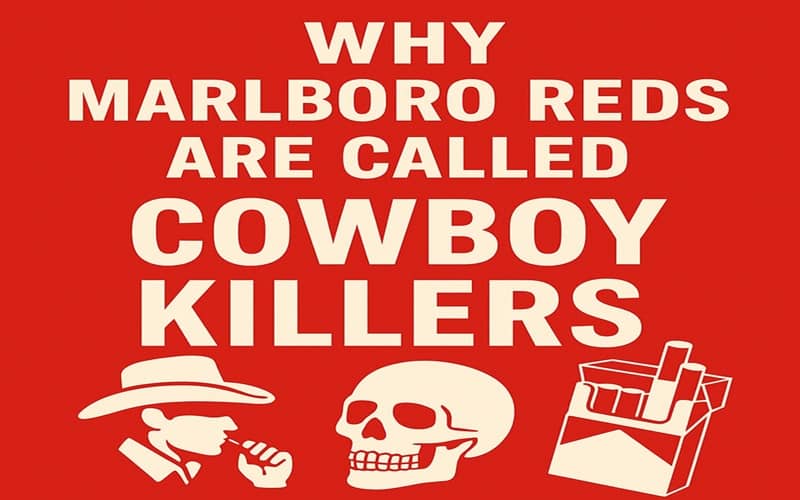
“Marlboro Reds,” one of the most recognizable cigarette varieties in the world, have collected several nicknames over the decades. Among the most infamous is “Cowboy Killers.”
This nickname is widely known in American culture and has historical, social, and health-related origins — not an official name from the brand.
This article explains where the term came from, why it became popular, and how it spread into mainstream culture.
🤠 The Connection to Cowboys
The Marlboro Man
The nickname “Cowboy Killers” is directly tied to the historic Marlboro Man advertising campaign (1950s–1990s), which featured rugged cowboys representing toughness and masculinity.
Because these ads heavily associated Marlboro Reds with cowboys, the public began referring to the cigarettes informally as “cowboy cigarettes.”
💀 Why “Killers”?
The second part of the nickname — “killers” — is connected to the rising awareness of the serious health risks of smoking, including:
-
Lung cancer
-
Heart disease
-
Respiratory illnesses
-
Reduced life expectancy
During the 1970s and 1980s, as medical research and public health warnings increased, people began referring to stronger cigarettes as “killers” due to their high tar and nicotine levels.
Since Marlboro Reds were known as one of the strongest and most full-flavored cigarettes on the market, they quickly gained the nickname “Cowboy Killers.”
📜 Historical Timeline of the Nickname
1950s–1980s: The Marlboro Man Era
-
Marlboro shifts its advertising to rugged cowboys
-
Brand becomes deeply tied to Western cowboy imagery
1970s–1980s: Health Studies Expand
-
Medical studies reveal major health risks
-
Public jokes and slang terms merge cowboy imagery with health dangers
1990s–2000s: Nickname Goes Mainstream
-
The term spreads in pop culture, movies, and conversations
-
It becomes one of the most commonly known slang names for Marlboro Reds
🧪 Strength & Tar Levels as a Factor
Marlboro Reds were historically known for being stronger than other popular brands, which also contributed to the nickname.
Factors included:
-
Higher tar content
-
Higher nicotine levels
-
Stronger throat hit
-
“Full flavor” profile
Because of this reputation, smokers often used the term jokingly — or warningly — to refer to the cigarettes' intensity.
🎥 Pop Culture Influence
“Marlboro Reds” and “Cowboy Killers” have appeared in:
-
Movies set in rural or Western environments
-
TV shows portraying rugged or rebellious characters
-
Music lyrics referencing cowboy lifestyles
-
Internet culture and memes
The phrase stuck because it was catchy and clearly tied to the brand’s cowboy image.
📚 Why the Name Has Lasted
Several factors have kept the nickname alive:
1. Strong cultural associations
The Marlboro Man is one of the most iconic advertising images in history.
2. Public perception of cigarette strength
“Marlboro Reds” are widely associated with being “strong” or “full flavor.”
3. Health awareness
Linking cowboy imagery with modern health warnings strengthened the sarcastic nickname.
4. Rural and working-class adoption
The name appears often in farming, construction, trucking, and military culture.
❓ Frequently Asked Questions
Is “Cowboy Killers” an official name?
No. It is an informal nickname used by the public, not by Marlboro.
Does the nickname refer to the Marlboro Man actors who passed away?
Partially. Several Marlboro Man actors died from smoking-related illnesses, which reinforced the association publicly.
Does every country use the nickname?
No. The term is most common in the United States, but is known in some other English-speaking regions.
Is the name related to cigarette strength?
Yes. The “killer” part refers to the reputation of Marlboro Reds as strong, full-flavored cigarettes.
🎯 Conclusion
The nickname “Cowboy Killers” combines two powerful cultural elements:
-
Cowboys — inspired by the iconic Marlboro Man campaign
-
Killers — referencing the serious health risks associated with smoking
Over time, the phrase became widely used as slang to describe Marlboro Reds, especially in the U.S. The term survives today due to its strong imagery, cultural familiarity, and the historical connection between the brand and cowboy identity.